
Compare Local Contractors for Lock Installation Services
Compare local contractors to define your lock installation scope, verify experience, and set clear expectations for a secure and reliable upgrade.
Lock installation services typically encompass the setup and replacement of various types of locks on residential or commercial properties. This work may include installing new deadbolts, handle locks, electronic access systems, or high-security locking mechanisms. Contractors often handle tasks such as preparing door openings, ensuring proper alignment, and verifying that the lock functions correctly. Clear communication about the scope of work helps property owners understand what is included, whether it involves just the hardware or additional security features, and ensures the project aligns with their security needs.
Defining the scope of lock installation projects is essential for establishing clear expectations and avoiding misunderstandings. Property owners should specify details such as the types of locks to be installed, the number of entry points, any special security requirements, and whether additional work like door reinforcement or key duplication is needed. Having these details in writing helps ensure that both parties agree on what will be accomplished, provides a basis for evaluating contractors’ expertise, and minimizes surprises during the project.
When comparing local contractors for lock installation, property owners should consider their experience with similar projects and their familiarity with different lock systems. Verifying a contractor’s background in handling various lock types and security features can provide confidence in their ability to deliver quality work. It’s also helpful to review credentials such as references or portfolio examples, and to ensure the scope of work is documented clearly in writing. This approach supports making an informed choice among service providers and selecting a contractor capable of meeting specific security and installation needs.
Compare local contractors by outlining your needs, verifying experience, and setting clear expectations in writing.
- Compare Contractor Credentials - Review the experience and background of local contractors to ensure they meet project requirements.
- Define Project Scope Clearly - Outline specific lock installation details to set accurate expectations with service providers.
- Verify Experience and Expertise - Confirm that contractors have relevant experience in lock installation for your type of property.
- Document Agreements in Writing - Ensure all project details and expectations are documented to avoid misunderstandings.

Before comparing contractors for lock installation, clearly describe your project scope and verify their experience in writing.
- Verify the contractor’s experience with lock installation projects similar in scope and complexity. - Ensure the service provider clearly defines the scope of work and installation procedures in writing.
- Check for references or reviews from previous clients who have had locks installed by the contractor. - Confirm that the contractor uses appropriate tools and materials suitable for the lock types being installed.
- Assess whether the contractor provides detailed written estimates outlining the work to be performed. - Look for a comprehensive plan that specifies the installation process and materials to be used.
- Ensure the contractor discusses security considerations and lock compatibility during the planning stage. - Confirm that the scope includes testing the locks after installation to verify proper operation.
- Compare multiple service providers to evaluate their experience, scope definitions, and communication clarity. - Make sure all expectations and responsibilities are documented in the agreement before work begins.
- Confirm that the contractor adheres to local building codes and industry standards for lock installation. - Verify that the scope of work includes compliance with relevant security and safety requirements.
Compare local contractors' experience and clarify project scope to ensure your lock installation meets your needs.
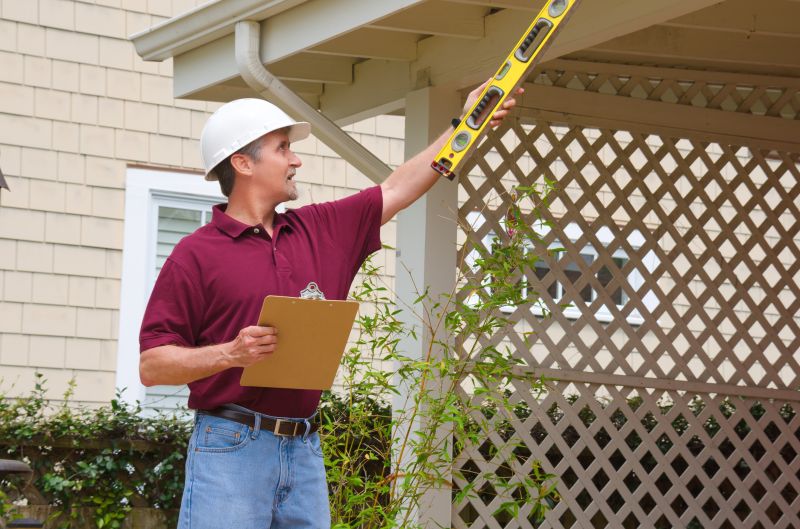
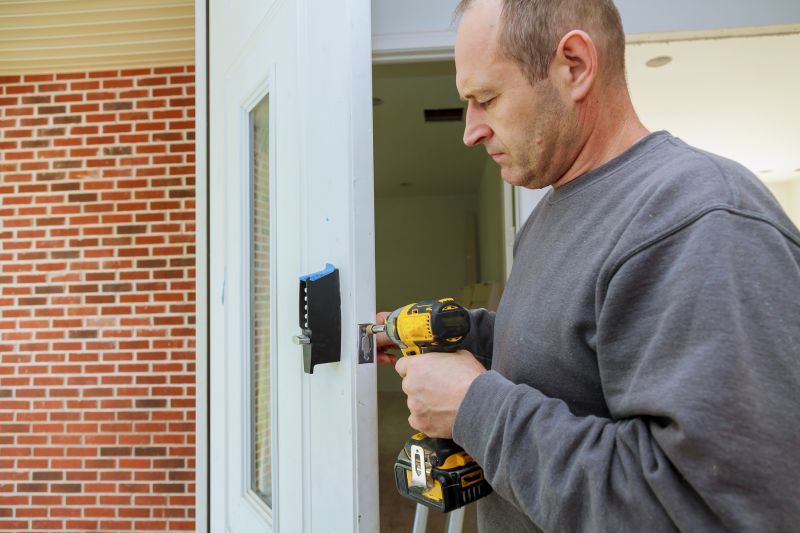
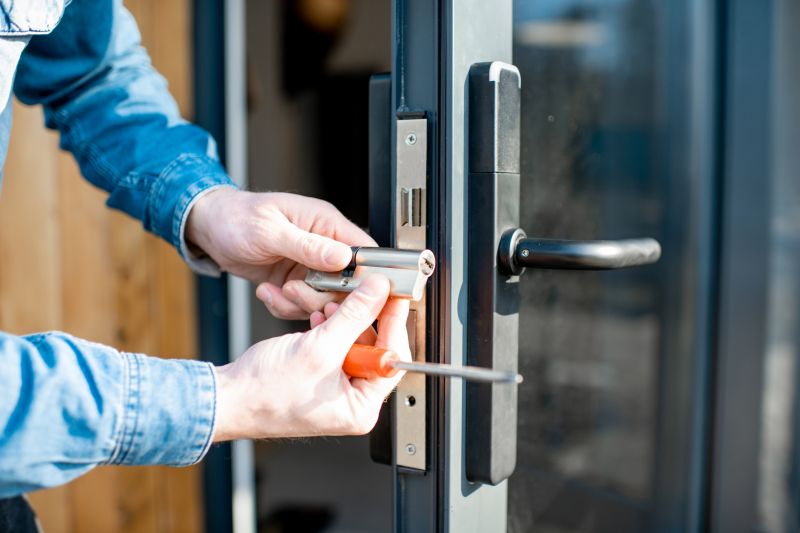
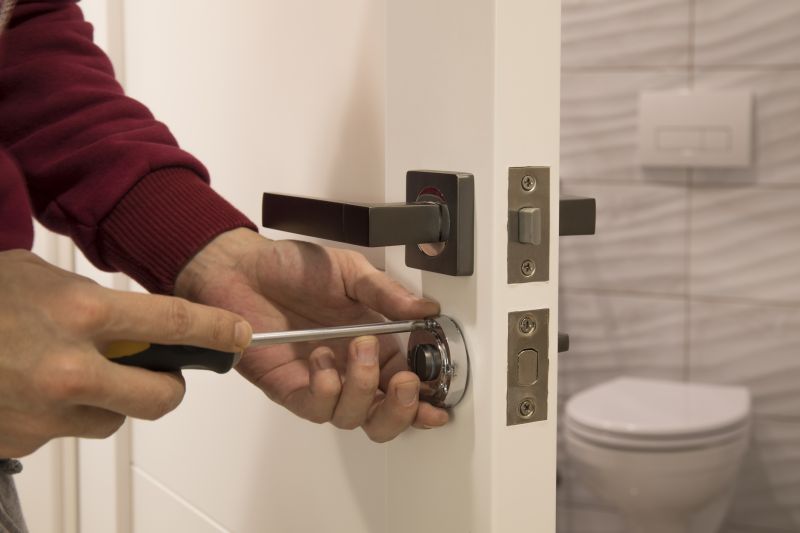
Use consistent criteria to compare local contractors’ scope, experience, and written expectations for lock installation.
- Scope Definition - Clearly outline the specific lock types and installation locations to ensure all parties understand the project requirements.
- Experience Verification - Confirm that service providers have relevant experience with the types of locks being installed.
- Material Specifications - Specify the lock models, brands, and hardware to be used during installation.
- Installation Standards - Define the quality and safety standards that the installation must meet, including any applicable building codes.
- Documentation and Expectations - Ensure all scope details, responsibilities, and expectations are documented in writing before work begins.
When comparing contractors for lock installation, it’s important to consider their experience with similar projects. Homeowners should inquire about how long a service provider has been working with lock systems comparable to the ones they need installed. A contractor with a proven track record in handling various types of locks, whether traditional, electronic, or high-security models, can offer insights into potential challenges and solutions. Verifying a contractor’s familiarity with the specific lock types and installation techniques relevant to the project can help ensure the work is performed correctly and efficiently.
Having a clear, written scope of work is essential when evaluating contractors for lock installation. This document should outline the specific tasks involved, including the number of locks to be installed, the type of hardware, and any additional hardware or accessories required. A detailed scope helps prevent misunderstandings and ensures that both parties have aligned expectations. Homeowners should ask service providers to provide this scope in writing, clarifying what is included and what is not, so that the project’s parameters are transparent from the outset.
Verification of a contractor’s experience and qualifications involves more than just asking about past work. Homeowners should seek references or examples of completed projects similar to their own, and inquire about any challenges encountered and how they were addressed. It’s also helpful to confirm that the contractor has the necessary skills to handle the specific lock systems involved. While licensing and certification are not discussed here, verifying a history of successful projects and a professional approach can provide confidence in the service provider’s ability to deliver quality results.
Evaluating options without focusing on pricing involves assessing the overall approach, communication, and professionalism of each contractor. Homeowners should consider how well a service provider explains the process, responds to questions, and provides a detailed scope of work. Comparing how each contractor plans to approach the installation, their attention to detail, and their commitment to clear documentation can help identify the most reliable and capable option. This approach ensures that the decision is based on experience, clarity, and trustworthiness rather than cost alone.
Ask contractors to provide written scope details to ensure clear expectations and consistent project understanding.
- **Experience and Credentials** - What experience do local contractors have with lock installation projects similar to yours?
- **Scope of Work** - How do local service providers define and clarify the scope of lock installation services included?
- **Comparison of Services** - What specific services and materials do different local contractors offer for lock installation?
- **Work Approach and Methods** - How do local pros plan to approach your lock installation to ensure it meets your expectations?
- **Written Agreements** - Do local contractors provide detailed written descriptions of the scope and work to avoid misunderstandings?
How can I compare different contractors for lock installation? It’s important to review their experience, verify their reputation through reviews or references, and ensure they clearly define the scope of work in writing to make an informed comparison.
What should I consider when defining the scope of lock installation work? Clearly outline the types of locks, number of locks, and any additional security features needed to ensure contractors understand exactly what is required.
How can I verify a contractor's experience with lock installation? Ask about their previous projects, request references, or review their portfolio to confirm they have relevant experience handling similar lock installation jobs.
Why is it important to have the scope of work in writing? Having a detailed written agreement helps set clear expectations, prevents misunderstandings, and provides a reference for the completed work.
What questions should I ask a contractor before hiring for lock installation? Inquire about their experience, methods, materials used, and how they handle unexpected issues to ensure they are well-qualified for the job.
How can I ensure the contractor understands my specific lock installation needs? Communicate your requirements clearly, ask for their input, and request a written plan or proposal that details how they will address your needs.
This page has outlined key steps to help compare contractors for lock installation projects, including defining the scope of work, verifying experience, and setting clear expectations in writing. Understanding these aspects can assist in making informed decisions when selecting service providers who meet specific needs. Utilizing the quote form allows for easy comparison of available local contractors, helping to identify options that align with project requirements.
Using the provided contact form enables a straightforward way to connect with trusted local service providers experienced in lock installation. Taking the time to compare options and clarify project details can lead to a better understanding of available services. This process supports finding the right contractor to handle the job efficiently and effectively.